Casinos as Tourist Destinations: Where Local Traditions Meet Global Entertainment

Casinos as Tourist Destinations: Where Local Traditions Meet Global Entertainment
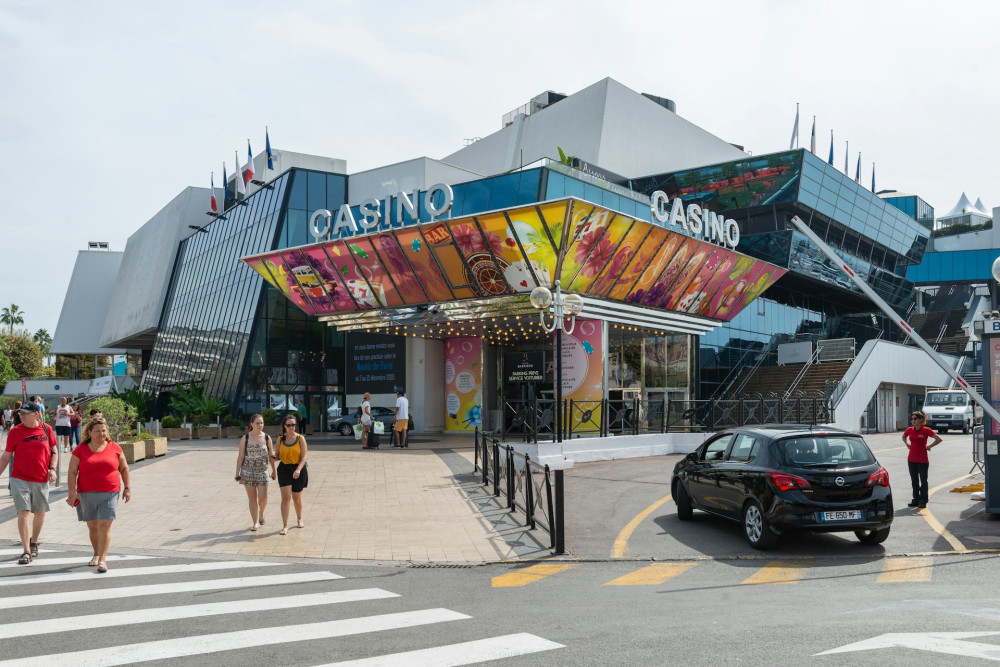
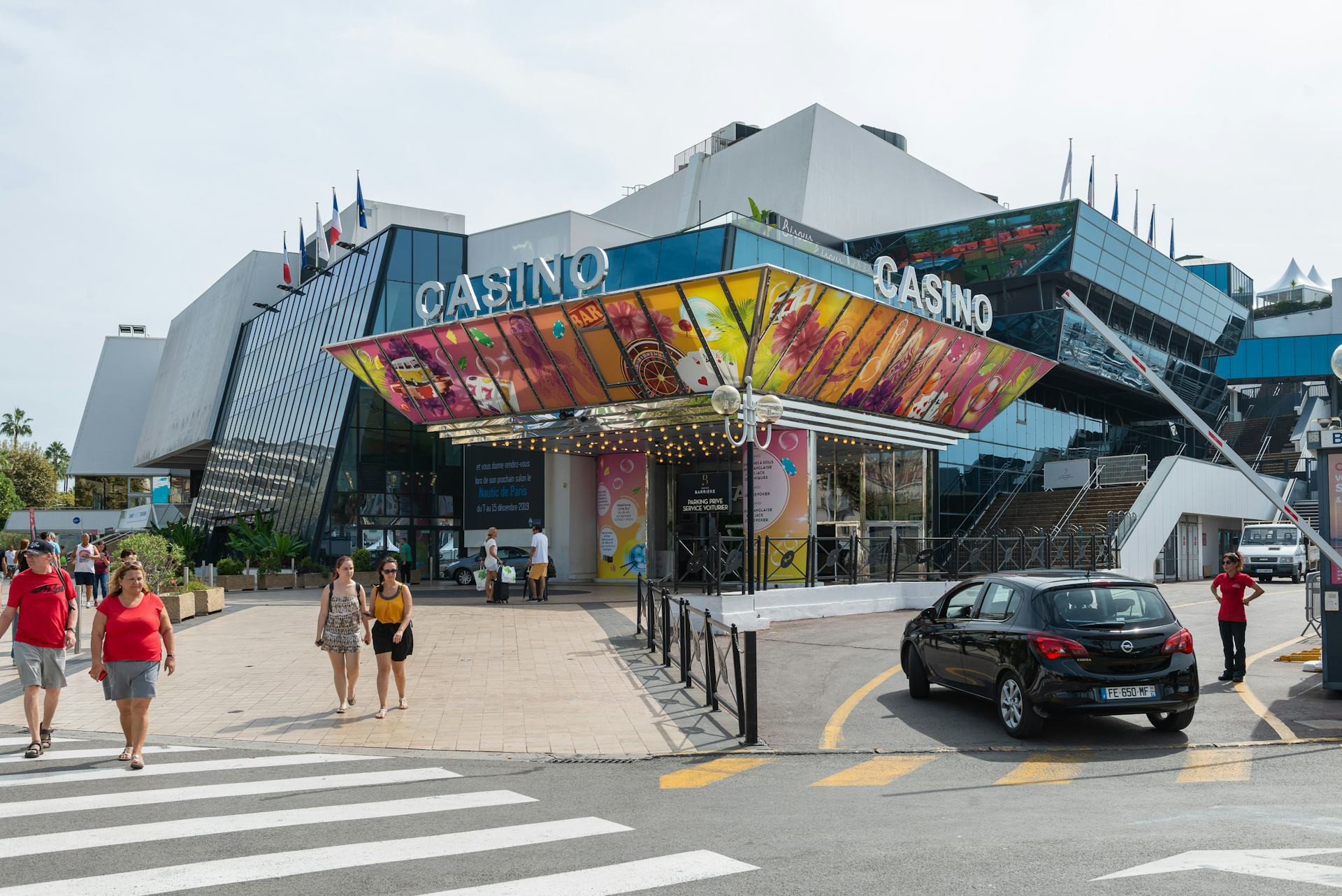
For decades, casinos have been synonymous with glamour, excitement, and the promise of fortune. Yet in the modern era, they have evolved far beyond gaming halls. Today’s casinos are cultural landmarks and entertainment hubs that blend local identity with global appeal. From the neon spectacle of Las Vegas to the refined elegance of Monte Carlo and the East-meets-West energy of Macau, casinos have become integral to the travel experience of millions around the world.
From Gaming Floors to Experience Hubs
The earliest casinos were exclusive clubs for the social elite, where gaming was just one part of a larger social ritual. Modern casinos, however, cater to a much broader audience. They combine gaming with fine dining, live performances, shopping, and wellness experiences – all wrapped in architecture that often tells a story about the place itself.
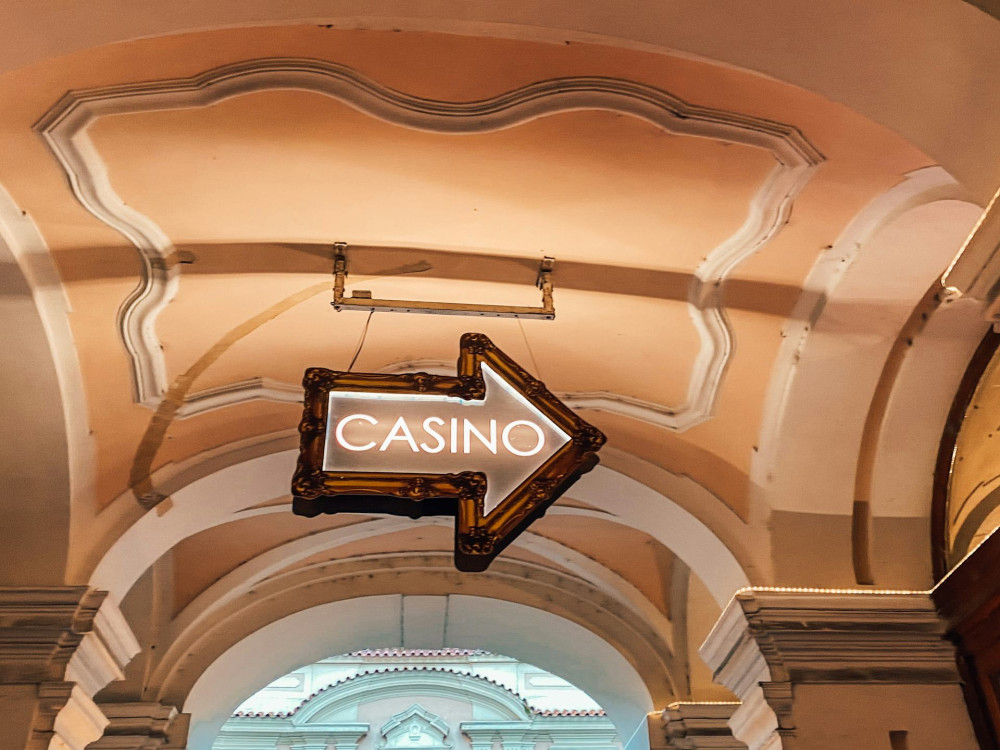
In Las Vegas, the concept of the casino as a total experience has been perfected. Visitors can stroll from Venice to Paris in a single evening, while Macau has turned its casino industry into both a cultural identity and an economic powerhouse. In Europe, many casinos are housed in historic buildings, blending seamlessly into their urban and cultural surroundings – as seen in Baden-Baden or Monte Carlo.
Local Traditions as Part of the Experience
One of the most fascinating aspects of modern casinos is how they merge global entertainment with local character. In Asia, feng shui principles influence casino design, while in Scandinavia, minimalist architecture and sustainability take centre stage. Each destination adds its own flavour to the global casino scene.
In New Zealand, this balance between local culture and international entertainment is particularly visible. Casinos in Auckland, Queenstown, and Dunedin not only offer gaming but also showcase Māori and Pacific influences through art, design, and cuisine. Visitors can enjoy world-class dining that highlights local produce and wines, while performances often feature elements of Aotearoa’s diverse cultural heritage. For tourists, this creates a richer, more authentic experience – and for local communities, it provides a platform to share their traditions in a contemporary setting.
Economic Engine and Tourist Magnet
Casinos play a significant role in tourism economies worldwide. They attract visitors, create jobs, and generate revenue for both private operators and public funds. In destinations like Las Vegas and Macau, the casino industry forms the backbone of the local economy. In New Zealand, casinos are part of a broader tourism strategy that includes adventure travel, nature experiences, and cultural attractions.
However, success depends on maintaining a balance between entertainment and responsibility. Many destinations, including New Zealand, have implemented strong frameworks for responsible gambling and community engagement. This ensures that the benefits of casino tourism are shared widely and that the industry contributes positively to local well-being.
Casinos in Transition – Digital and Sustainable
The digital revolution has transformed the way people play. Online casinos and mobile gaming have made the casino experience accessible from anywhere, but physical casinos have responded by focusing on what the digital world cannot replicate: atmosphere, social interaction, and sensory immersion.
Sustainability is also becoming a defining feature of the industry. New casino resorts are being designed with energy efficiency, green technology, and local sourcing in mind. In New Zealand, where environmental stewardship is a national value, this approach aligns naturally with the country’s broader tourism ethos. The goal is not only to create spectacular destinations but to do so in a way that respects the environment and the communities that host them.
Læs også:


A Global Stage with Local Roots
Casinos as tourist destinations reflect the globalised world we live in – international in scope, yet deeply rooted in local culture. They bring together people from across the globe to share in games, food, music, and architecture, while offering a glimpse into the traditions of the places they inhabit.
Whether you’re visiting a historic casino in Europe, a futuristic resort in Asia, or a lakeside venue in Queenstown, the essence remains the same: a blend of excitement, artistry, and cultural expression. It is this fusion of tradition and modernity that makes casinos more than just places to play – they are living symbols of how local heritage and global entertainment can meet in harmony.
Læs også: